
Lace, Lanterns and Second Lines: What a Creole Wedding Looked Like in Old New Orleans
Long before Pinterest boards and plated dinners, weddings in old New Orleans were already rich with style, symbolism, and celebration. In the city’s early Creole days—when French, Spanish, African and Caribbean influences blended into one vibrant culture—a wedding wasn’t just a ceremony. It was a neighborhood event, a family reunion, and a party that might last for days.
Picture gas lanterns flickering along cobblestone streets, the scent of jasmine and orange blossoms in the air, and the sound of violins and brass drifting through a French Quarter courtyard. A Creole wedding was equal parts elegance, faith, food and full-on fête.
Here’s what tying the knot might have looked like in old New Orleans.
A Ceremony Steeped in Faith and Tradition
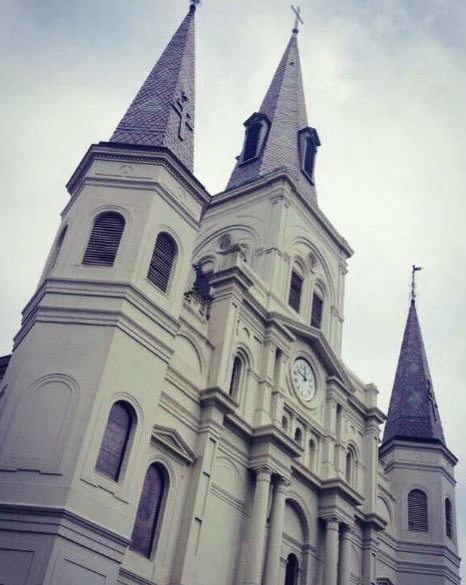
Most Creole families were devoutly Catholic, so weddings typically took place in church—often at St. Louis Cathedral or one of the smaller neighborhood parishes. The ceremony itself was formal and reverent, spoken in French or Spanish depending on the family’s roots.
Brides wore modest but beautiful gowns inspired by European fashion: high lace collars, long sleeves, delicate gloves, and veils pinned with heirloom brooches. Handmade lace—sometimes passed down for generations—was especially prized. Orange blossoms symbolized purity and prosperity and were woven into bouquets or hairpieces. Grooms favored dark suits or tailcoats, polished shoes, and pocket watches. Everything about the look said timeless elegance rather than flash. Family played a central role. Godparents, extended relatives, and close family friends often stood in as witnesses, reinforcing the idea that marriage joined not just two people, but two entire networks.
Courtyard Receptions and Garden Parties
After Mass, the celebration usually moved home—often to a family townhouse or Creole cottage with a lush courtyard. These private gardens, shaded by banana trees and filled with ferns and fountains, made perfect reception spaces. Long wooden tables were set with linen cloths, silver serving pieces, and candles. Neighbors might drop by. Children ran through the galleries. Someone’s aunt inevitably took charge of the kitchen.
There was no strict timeline. Guests came, ate, danced, and lingered. It felt more like an open house than a tightly scheduled event.
The Food: A Feast Worthy of the Occasion
If there’s one thing old New Orleans knew how to do, it was feed people well.
A Creole wedding table would have groaned under the weight of dishes like
turtle soup or seafood gumbo, jambalaya and dirty rice, shrimp remoulade,
and roast beef or grillades.
Instead of a towering cake alone, desserts often included multiple sweets, though
decorative wedding cakes—sometimes topped with spun sugar or hand-piped icing—became popular in the 1800s.
And of course, there would have been plenty of wine, brandy milk punch, and coffee with chicory.
Food wasn’t just a meal. It was an expression of hospitality and love. No one left hungry.
Music, Dancing and the Birth of the Second Line
Once the formalities ended, the party truly began. Music was essential. String bands, early brass ensembles, or small jazz groups played waltzes, quadrilles, and lively Creole dances. Guests filled the courtyard, skirts swishing, shoes tapping on brick.
And then came the procession. It wasn’t uncommon for the newlyweds and their guests to parade through the streets behind musicians—a joyful walk that many historians consider an early version of today’s second line tradition. Neighbors joined in. Handkerchiefs waved. Someone always danced a little too hard. It was spontaneous, communal and unmistakably New Orleans.
Family Heirlooms and Lasting Symbolism
Creole weddings placed great importance on heritage. Brides often wore family jewelry or carried rosaries passed down through generations. Furniture was borrowed. Recipes were inherited. Traditions were repeated.
Marriage was seen as continuity—a thread connecting the past to the future.
That sense of history is still part of what makes getting married in New Orleans feel different today. When you celebrate in a centuries-old courtyard or dance beneath a wrought-iron balcony, you’re participating in something that’s been happening here for hundreds of years.
That Old-World Romance Still Lives On
While modern weddings may add planners, playlists and signature cocktails, the heart of a Creole wedding hasn’t really changed. Venues like those you’ll find on weddingsinneworleans.com keep the romance alive.